
Some failures are obvious: a motor lets go, a coupling shears, a panel fills with smoke. The ones that frustrate Baltimore maintenance teams are quieter, like the same drive on the same conveyor going down three times in eighteen months, each time for a different-looking reason, with no mechanical cause anyone can point to.
IVS Incorporated has spent more than thirty years on the bench with those units, and the pattern behind them is usually written into the drive's input section rather than the load it was driving.
Baltimore's industrial base is broad and genuinely heavy. The Port of Baltimore moves containers, roll-on roll-off cargo, automobiles and bulk commodities through terminals along the Patapsco, and each of those operations runs cranes, hoists, conveyors and stackers driven by large AC and DC motors under punishing duty cycles. Metals processing and scrap handling continue around the harbor.
The region also carries a long food manufacturing tradition, including the spice and seasoning production associated with the McCormick name, plus bakeries and beverage plants across the metro area. Chemical plants and building products manufacturers operate on the industrial waterfront, and ship repair yards keep commercial and government vessels working. All of them draw from shared industrial distribution networks, with large inductive loads starting and stopping all day.
Voltage sags, switching transients, harmonic distortion and capacitor bank surges are ordinary on industrial supply, and drives absorb them. A crane motor accelerating, a compressor starting, a utility switching event or a neighbor's load stepping on and off all stress the input rectifier, DC bus capacitors, MOVs and precharge circuitry of every drive on that service. None of it produces immediate failure, only cumulative damage that shortens component life quietly for years.
The result reads as randomness. A drive trips on overvoltage one week and DC bus fault the next, a replacement fails faster than the original, and the log fills with unrelated-looking entries. On our bench the evidence is usually visible: stressed bus capacitors, degraded surge suppression, heat damage around the rectifier, precharge components far past their rated inrush cycles. We assess that condition, not just the fault code on the display.
For teams chasing root cause, our guide to PLC troubleshooting and maintenance covers systematic controller diagnosis, and how to test a servo motor shows whether the motor or the electronics is at fault.
If the same equipment keeps failing, we can help you find out why. Call 734-261-8801 to discuss the unit and its fault history, or request a quote with the nameplate details.
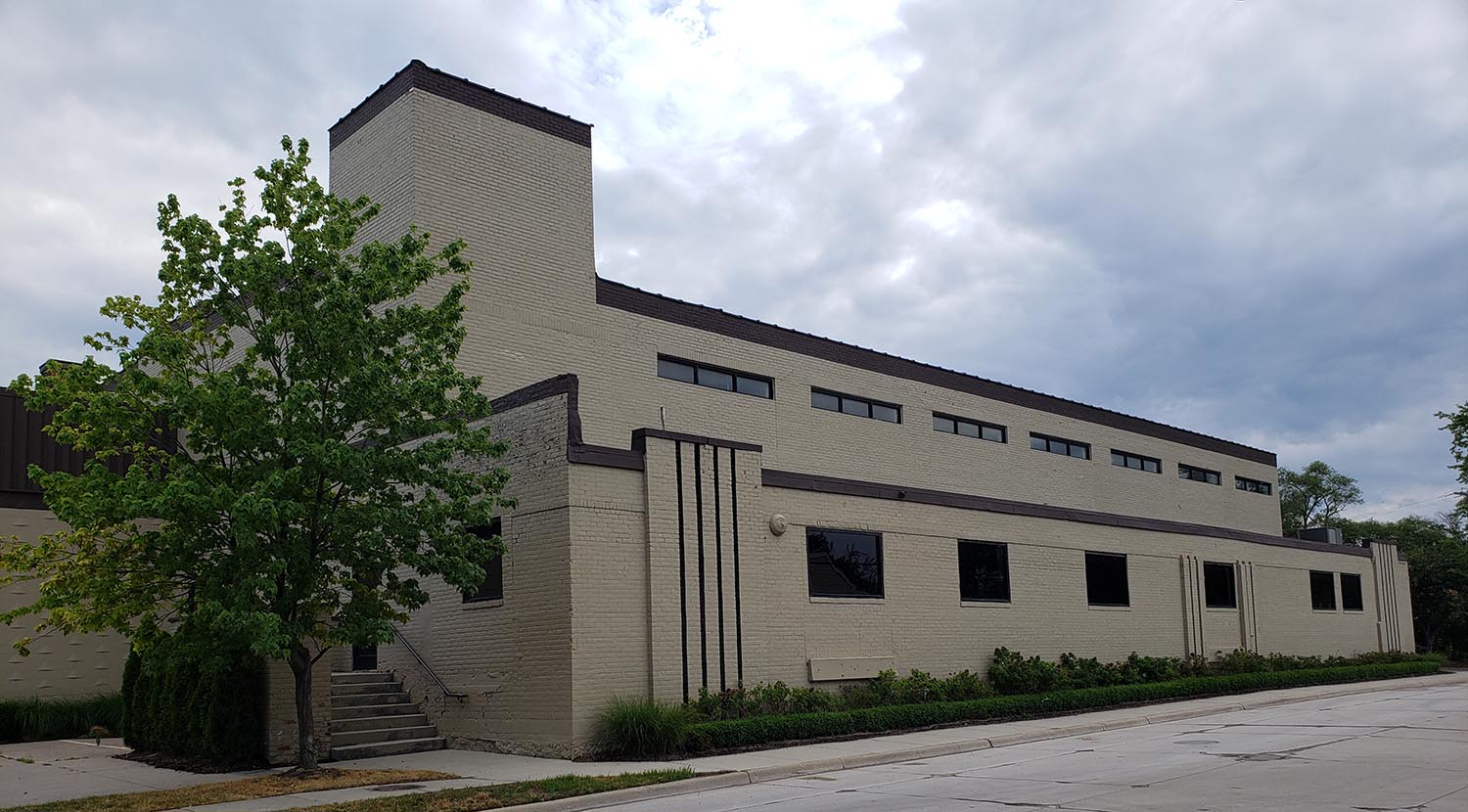
IVS Incorporated — 750 Junction St, Plymouth, MI 48170 — 734-261-8801. Serving Baltimore and manufacturers nationwide.


Ready to get started? Contact us.
Whether you need a repair/service or have a question, please feel free to send us a message using the form below.