
Two vehicle assembly plants anchor manufacturing on either side of the state line here, and both measure output in units per hour. Every minute a body shop sits still is a fixed count of vehicles that will not get built today, and supplier plants sequenced to those lines feel the same stoppage within a shift.
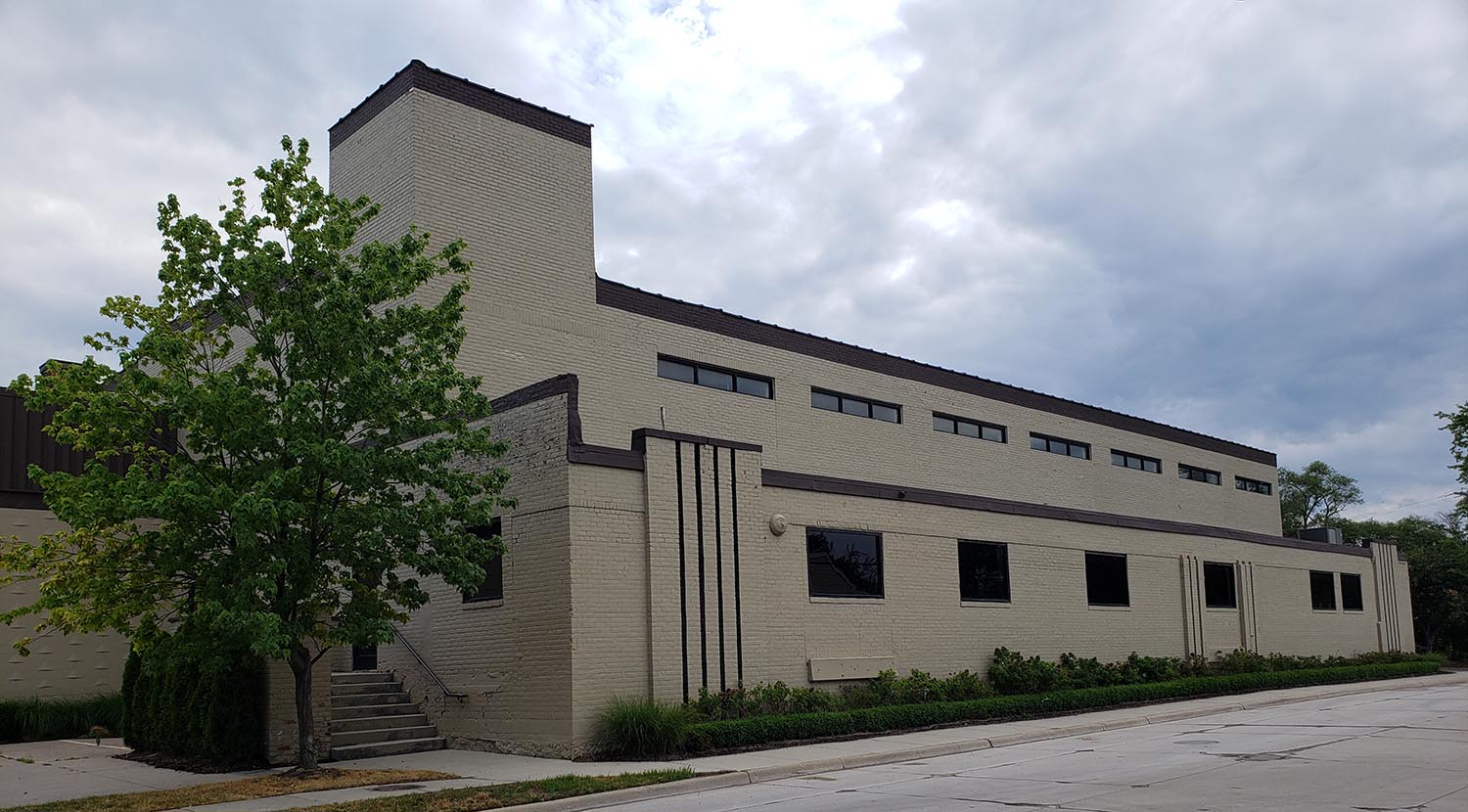
IVS Incorporated keeps that hardware in service. For over thirty years we have rebuilt the controllers, drives, servos, motors and panels automated production depends on, from a single facility in Plymouth, Michigan.
Ford builds at Claycomo and General Motors builds at Fairfax, and between them sits the stamping, injection molding, seating, wire harness and metal fabrication base supplying both. Kansas City also carries major food and beverage processing, agricultural equipment production, a notable concentration of animal health manufacturing, and one of the busiest rail-served logistics networks in the country.
Automotive and its supply tier are the most automation-dense of the group. Robotic weld cells, servo press feeds, transfer conveyance and vision-guided material handling stack into a single line, and each added axis can bring the whole sequence down.
There is a habit of talking about equipment life in running hours. On weld and press automation that measure misleads, and it leads maintenance teams to expect the wrong failures at the wrong time.
A servo axis in a weld cell may accelerate, decelerate and reverse several thousand times per shift. Each transition dumps current through the drive's output devices and heat into its bus capacitors. Each reversal loads the motor bearings the opposite way and works the feedback cable through another flex cycle. A pump motor spinning steadily across that same span of hours experiences almost none of it.
The result is a different wear signature. High-cycle drives tend to fail through thermal fatigue — cracked solder joints, dried capacitor electrolyte, degraded gate drivers — rather than the gradual insulation breakdown typical of continuous duty equipment. High-cycle servos wear bearings and feedback couplings early, and gearboxes seeing constant direction changes develop backlash well ahead of their rated life. Repairing that hardware means addressing what duty cycle actually punished, not swapping whatever component finally opened.
Our technical guides cover a lot of this ground. Start with PLC troubleshooting and maintenance for controller faults, then see how to test a servo motor for symptoms worth catching early on a high-cycle axis.
Phone 734-261-8801 and tell us what stopped, or request a quote to get a repair underway.
IVS Incorporated — 750 Junction St, Plymouth, MI 48170 — 734-261-8801. Serving Kansas City and manufacturers nationwide.


Ready to get started? Contact us.
Whether you need a repair/service or have a question, please feel free to send us a message using the form below.