
A stopped line in a validated environment costs more than the output it failed to produce. Twin Cities plants running medical device assembly, regulated food production and precision electronics carry a second bill: deviation reports, investigation time, and a quality department that has to account for what happened.
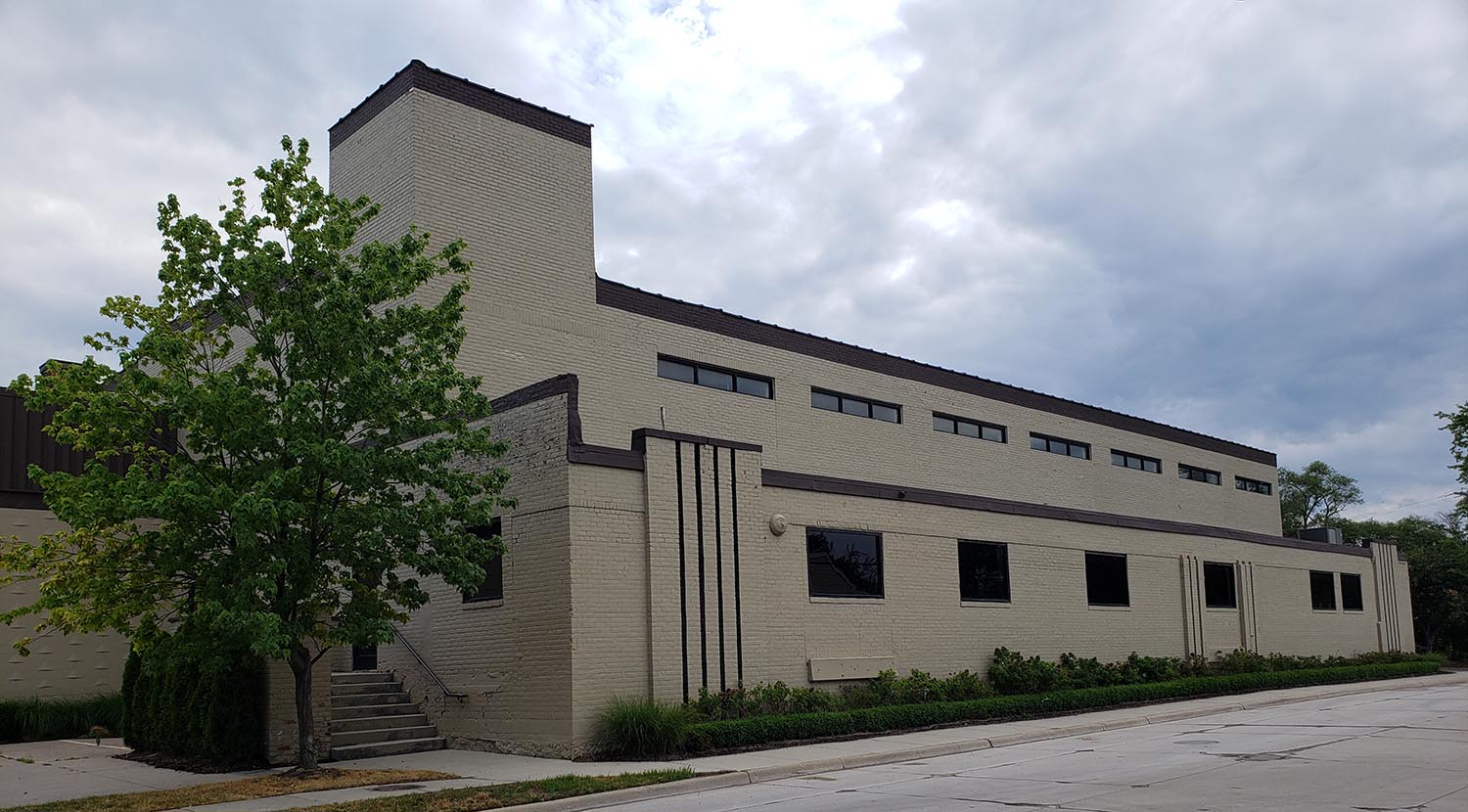
IVS Incorporated repairs the automation hardware behind those lines. Failed controllers, drives, servo motors and operator terminals arrive at our Plymouth, Michigan facility, get restored to their original specification, and go home verified.
Here is the situation that catches Minnesota plants out. A servo drive fails on a qualified assembly cell. Purchasing locates a newer model from the same vendor, marked a functional equivalent and available quickly.
Then the questions start. Is the motion profile identical, or only close? Does the newer firmware handle deceleration the way the qualified process was characterized against? Does the swap fall inside the validated state, or does it trigger requalification of the cell? The answer is rarely convenient, and the engineering hours spent proving equivalence can dwarf whatever the hardware cost.
Restoring the original unit sidesteps that conversation. The part number does not change, the firmware revision does not change, and the machine returns to a condition your documentation already describes. For regulated Twin Cities producers, that is why most of our work is repair rather than upgrade: the paperwork math favors it.
Minneapolis and St. Paul host one of the deepest medical device clusters anywhere, and the contract manufacturers, machining shops and cleanroom assemblers supporting it stretch through the western and northern suburbs. Alongside that sit food and beverage processors, makers of industrial and agricultural equipment, abrasives and specialty materials producers, printing and packaging houses, and an electronics base.
What those industries share is an intolerance for variation. A capping station that drifts, a bonding head that overshoots, a press that no longer holds position — none announce themselves as equipment failures at first. They announce themselves as scrap, and by the time maintenance is called the underlying drive or feedback device has been degrading for weeks.
If you want detail before shipping anything, read our field guide to PLC troubleshooting and maintenance, plus our breakdown of how to test a servo motor when an axis begins behaving strangely.
Reach us at 734-261-8801 to talk through a failure, or request a quote and get the unit moving toward our bench.
IVS Incorporated — 750 Junction St, Plymouth, MI 48170 — 734-261-8801. Serving Minneapolis and manufacturers nationwide.


Ready to get started? Contact us.
Whether you need a repair/service or have a question, please feel free to send us a message using the form below.